What Is Spoofing?
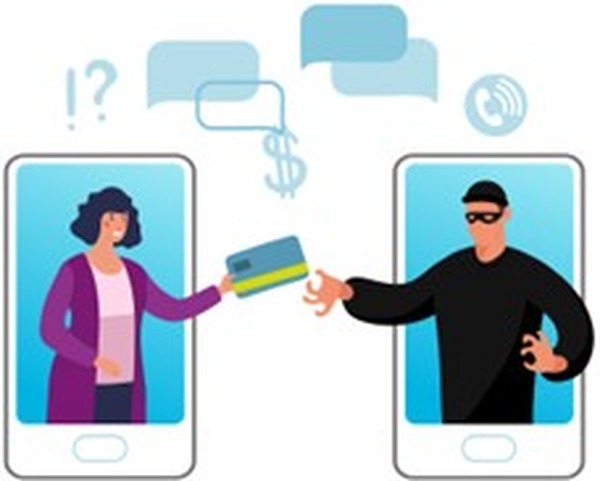
Spoofing is when a caller deliberately falsifies the information transmitted to your phone’s caller ID display to disguise their identity. In some cases, you may even see your own phone number calling you—because the number shown on caller ID is data that can be fairly easily manipulated by fraudsters and is not a guarantee of who is actually on the line.
Scammers frequently use “neighbor spoofing,” a tactic to make it appear that an incoming call is coming from a local number. Or they’ll spoof a number from a company or a government agency that you may already know and trust—like a bank, utility provider or even your national tax department. This technique is used to increase the chances you’ll answer their call, lower your suspicion and create confusion, so you act quickly. If you answer, they use scam scripts to try to steal your valuable personal information, which can be used in fraudulent activity.
How Fraudsters Are Stepping Up Call Spoofing Scams With AI
With advances in artificial intelligence (AI) and large language models, caller ID spoofing scams have grown more complex, convincing and costly. Spoofing scams are now being paired with AI‑generated voice deepfakes that replicate the voices of company executives, coworkers or even people we trust outside of work. Using just a few seconds of audio from a publicly available interview, webinar, social media post or voicemail, fraudsters can convincingly imitate not only leaders, but also friends, family members or representatives from banks and service providers. These deepfakes can closely match a person’s speaking style, cadence and tone.